Youth Education & Life Skills
How do you conduct research on Life Skill Education in the Global South?
Are you a researcher connected to YELS who is interested in projects in the Global South? We call on you to work together with us by creating a ‘forum’ for fostering connections and to promote the spread of ideas and best practices.
Over the past years, YELS has funded several projects that operate in the Global South. Working together on challenges in the field of education and life skills on a global scale is an important pillar of our vision. As education can be a tool for empowerment and growth on all levels, we believe that it is especially valuable to collaborate amongst ourselves and with institutions and people in these areas, to forge strong connections in research and practice.
In this article, we will dive further into this topic by highlighting a specific YELS-funded initiative; the ‘Global Partnerships for Life Skill Education’ project by Maria de Haan, Annemieke Steenbergen, Tjitske de Groot and Paul Schöpfer.
“We need to decenter the concept of power in Life Skills Education. There are multiple and sometimes unexpected sides of how power plays a role in international collaboration around Life Skills Education (funding mechanisms, knowledge structures). We can all contribute from our own position to such decentering of power.”
ALiVE conference
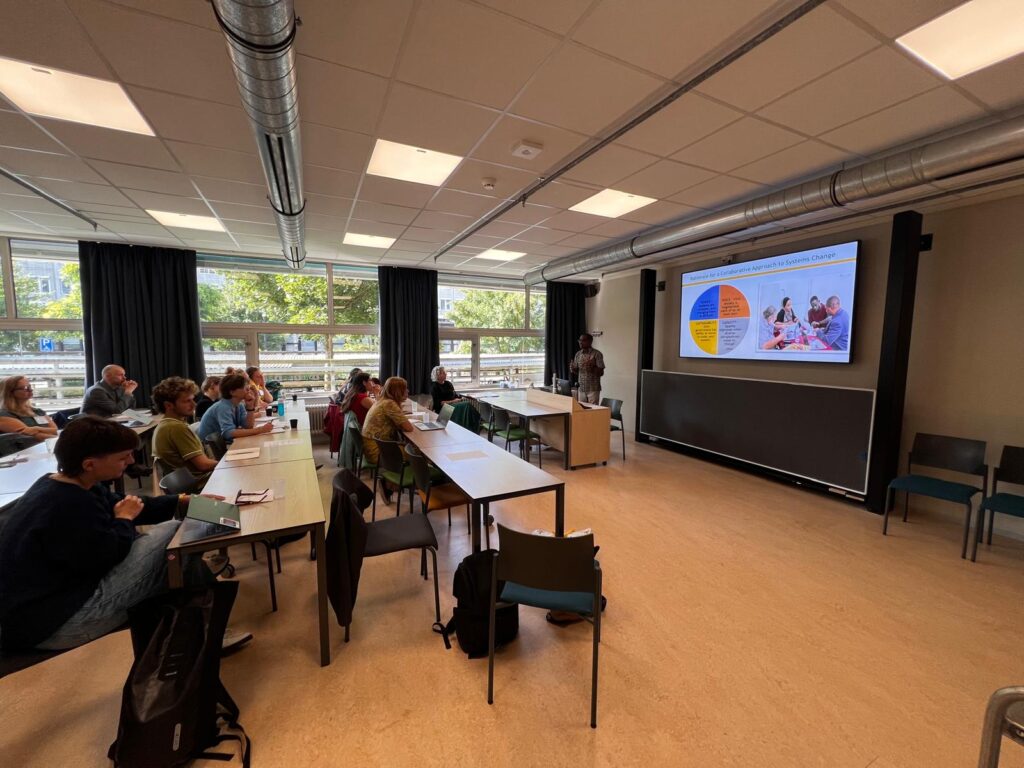
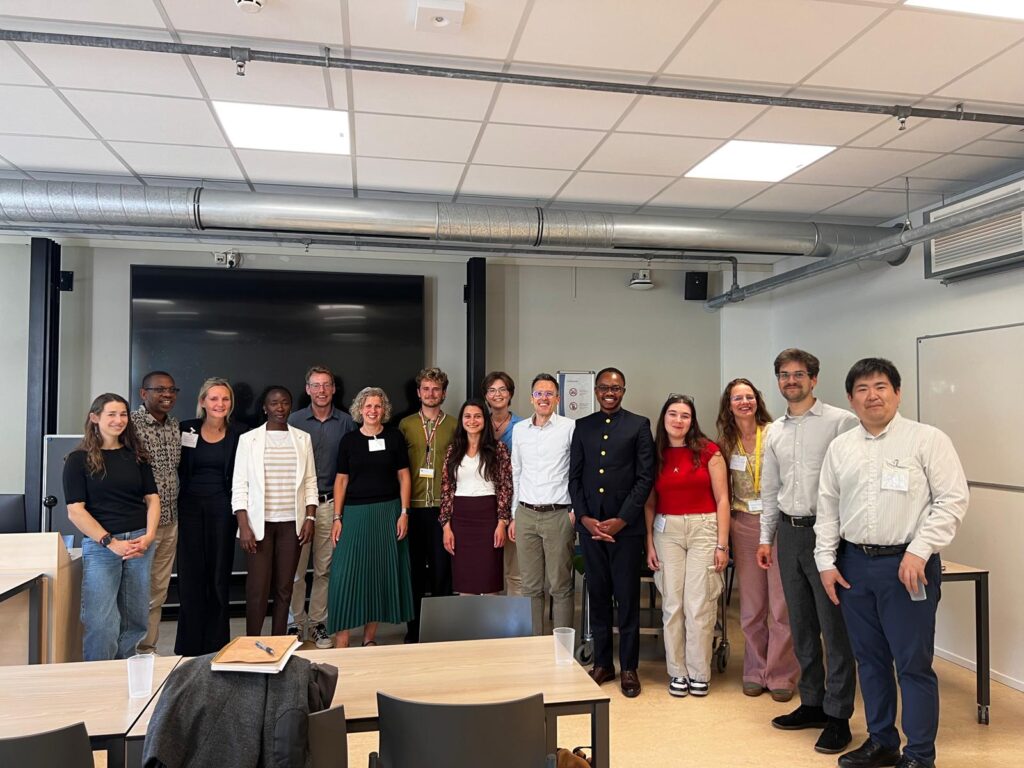
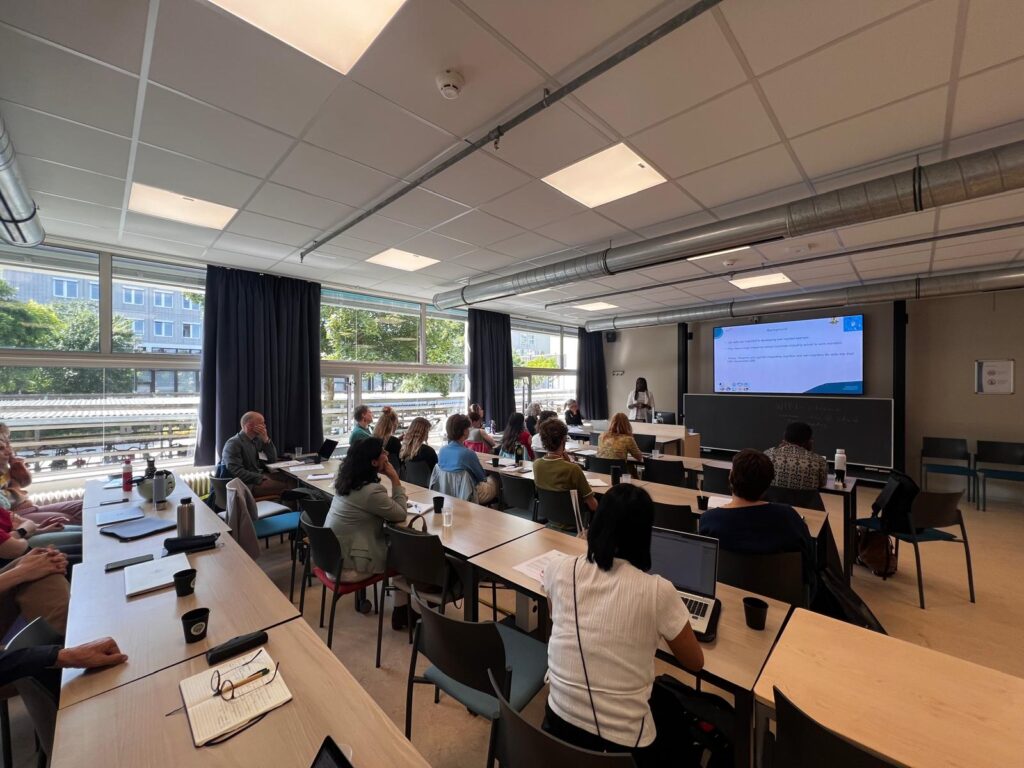
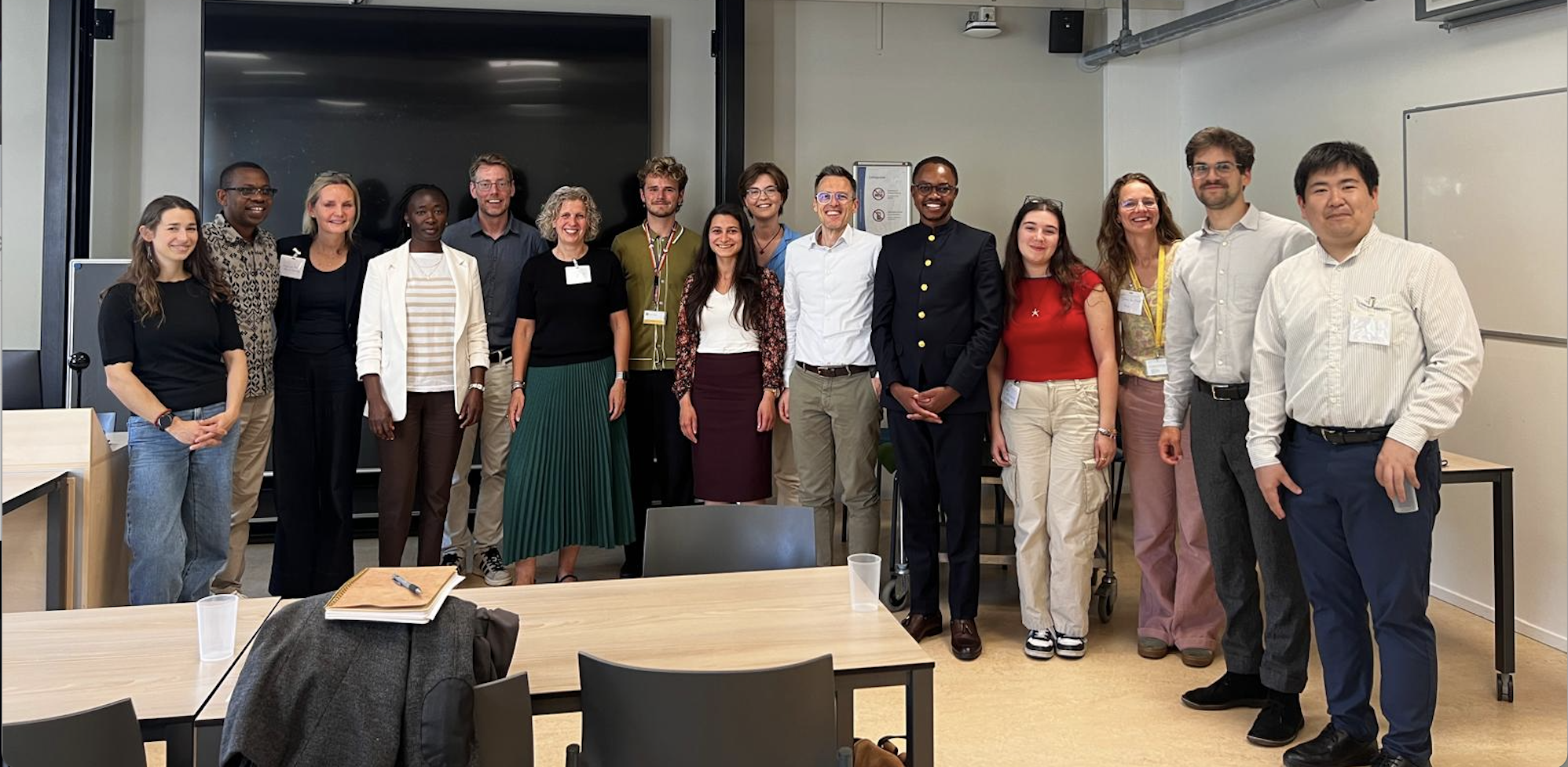
In June 2025, the project team, in collaboration with the ALiVE network, hosted a conference on strengthening global partnerships in the field of Life Skills Education. We combined different insights in system transitions, education research and decolonization to form two illuminating days during which scholars, students and societal partners listened to each other and co-created during keynotes, workshops and conversations. The conference really inspired us to think deeper about what it means to conduct research in and collaborate with research authorities from the Global South; and what our role as YELS is in all of this.
Key take-aways from Maria de Haan
- Given that Life Skills Education is a deeply culturally, socially, historically and economically etc. embedded phenomenon, we need to understand local contexts to learn across continents and understand what can be called ‘best practices’;
- The call for Life Skills Education must be seen as the result of a non-functioning schooling system/education (learning crisis, the system does not deliver what we want);
- As much as we need to understand the meaning of life skills education in each context, we need to understand what ‘learning crisis’ drives the need for life skills education;
Annemieke Steenbergen reflects on the second day of the conference
“The second day of the workshop zoomed in on a crucial yet often overlooked topic: funding. With perspectives from Dutch philanthropies, NGOs, and Global South funders, the session peeled back the curtain on how financial flows shape the future of life skills education.
There were hopeful vibes: co-creation, contextualized goals, and new assessment tools for Life Skills Education are on the horizon. The NGO voice, however, added a dose of realism. Shrinking government support, increasing donor compliance requests, and the rising costs of fundraising are serious hurdles—but creative solutions are emerging. Think: impact funds, private loans, and breaking proposals into bite-sized blocks to attract diverse donors.
From the Global South, the focus was clear: support grassroots leadership and a shift from project-based funding to true systems change. Yet challenges remain—local philanthropy is limited, and universities aren’t always part of the equation yet.”
“Funding isn’t just about money—it’s about relationships, strategy, and daring to think differently. For life skills education to flourish, we need the full support—both in effort and funding—of our entire community.”
How do we achieve these goals?
That is what we need you for! As YELS, we would like to create a ‘forum’ for fostering connections and to promote the spread of ideas and best practices amongst our community of researchers who operate in the varied geographical and social contexts of the Global South. To kickstart this initiative, we would like to invite you to think about both what you would need from others and what you could bring to the table in this. Everyone is welcome!
Just shoot us a message with your ideas and we will make sure to pick them up together! Reach out to us via youtheducation.lifeskills@uu.nl.
For questions about the ‘Global Partnerships for Life Skill Education’ project, you can contact Maria de Haan via m.dehaan@uu.nl